
Skip to content

Written quotesLocal technicians

Hills, brick homes and steep drives

Garage door repair in Webster Groves, MO

Garage door springs, openers, tracks, panels and replacements for hillside Webster Groves homes. Request a quote and we will confirm availability.

(314) 555-0112 Call for garage door help
  • Written quote before work starts
  • Help for detached alley garages and attached garages
  • Straight advice on repair versus replacement
Get my free garage door quote

Step 1 of 3

What do you need?

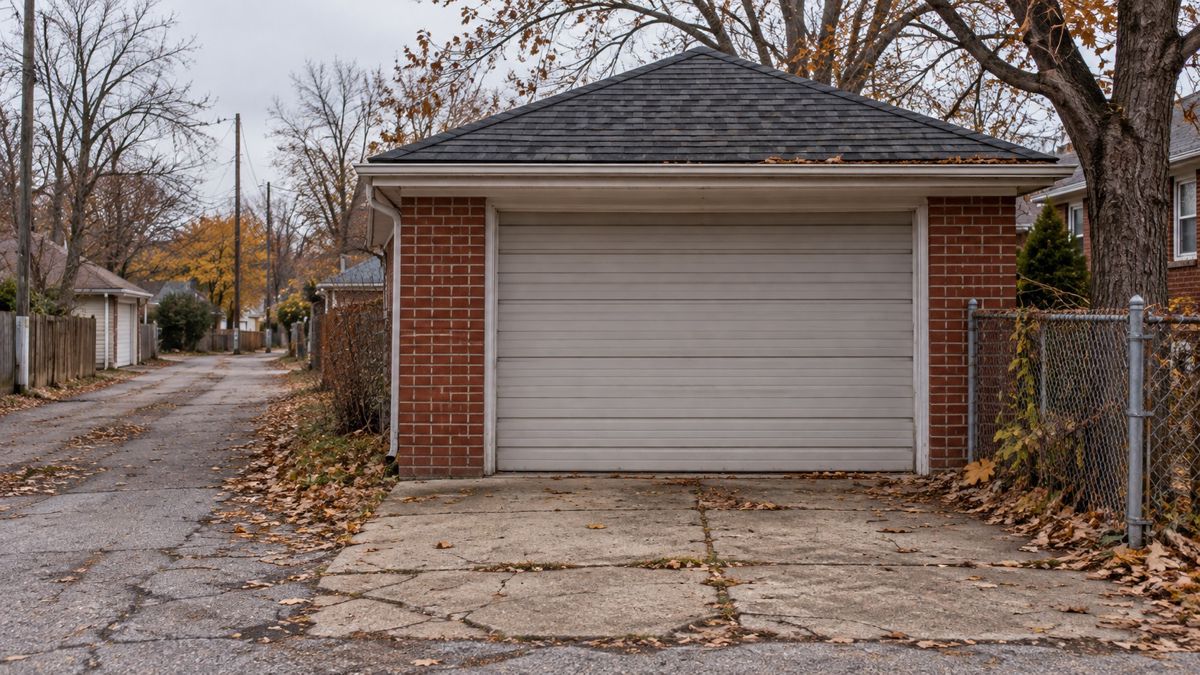
Brick detached garage with steel door on a St. Louis alley
Written quotes
Local technicians
Fast response
Parts that fit your door

Why Webster Groves garages are a little different

Webster Groves has a mix of older brick and frame houses, many on hilly streets, with garages that range from original detached buildings to later attached additions. The terrain matters. Driveways often climb or drop sharply to reach the garage, and some garages sit below street level or are cut into a slope.

For a garage door, a steep approach changes the way water, ice and vehicles meet the threshold. A door that works well on flat ground may bind or leak on a slope. When Webster Groves residents describe a problem, we ask about the driveway as well as the door, because the two interact more than people expect.

Steep drives, runoff and winter mornings

A driveway that slopes toward the garage sends rain straight at the bottom of the door. Water pools at the threshold, runs under a worn seal and sits against steel or wood. Over time this causes rust on the bottom panel and rot in old wood doors.

Winter adds its own trouble. Freezing nights can glue a rubber bottom seal to the slab, so the opener tears it when the door lifts. Ice on a steep driveway also raises the chance that a vehicle will slide into the door. Cold thickens old grease on rollers and hinges, and a stiff door puts more strain on springs and the opener than most owners realize.

Service pages for Webster Groves garage doors

Every type of garage door job we do has come up here at some point.

If you are unsure, describe the symptom and we will point you to the right one.

On a hillside property, the slope of the floor and the approach come first. A bottom seal has to follow the floor, and a door that is slightly out of square may need adjusting rather than parts. We check how the door sits when closed, and we look for water staining or rust that shows where moisture gathers.

Next is the door itself. Steel handles damp better than untreated wood, and an insulated section holds up better against winter cold. If your garage is part of the house, insulation also affects comfort in the rooms next to it.

The last factor is the opening. Older Webster Groves garages can be narrow, so we measure before suggesting any replacement.

Preparing for the visit and for any approvals

Preparation for a repair is simple. Clear a path to the door, move vehicles if possible and have the remote or keypad code ready. If ice or snow blocks the driveway, clear what you can or tell us, since a technician needs safe footing near the door.

A like-for-like replacement rarely needs a permit, but older neighborhoods sometimes have guidelines for how a house looks from the street. If your home is part of a designated historic area, or has a homeowners association, check before you pick a style. We are glad to supply details of a door you are considering, so that the review has the facts it needs.

What happens after you request a quote

  1. Use the form or call (314) 555-0112 and describe what the door is doing.
  2. Note whether the driveway slopes toward the garage and whether water gets in.
  3. Send photos, including the bottom edge and the springs if you can.
  4. We confirm that we can serve your address and offer a time to inspect.
  5. You get a written quote that separates repair items from optional upgrades.

We serve Webster Groves rather than operating from it, so your request is the step that confirms availability. Read more on the about page if you want to know how we work.

Step 1 of 3

What do you need?

Questions about Webster Groves

Why does water come under my garage door when it rains?

The bottom seal may be worn, or the floor may slope toward the door so water arrives faster than a seal can handle. A new seal helps in many cases. If the slab is the real source, a threshold seal can block water at the base. We check both and recommend the simplest fix that matches what we see.

My rubber seal tears every winter. How can I stop that?

A seal that freezes to the slab is torn when the opener lifts the door. Clearing ice before opening, choosing a seal material that stays flexible in cold, and checking that the door closes squarely all help. Some owners add a short wait before lifting. We can suggest a seal type that suits freeze and thaw.

Can a steep driveway damage my door or opener?

It can add strain. A door that closes on a slope may not seat evenly, and vehicles that slide on ice can hit the panels. The opener also works against an uneven threshold. Adjusting the travel limits and replacing worn seals often helps, and we explain what we find so you can decide.

Should I lubricate my garage door myself?

Light lubrication of rollers, hinges and springs with a product made for garage doors is a reasonable task. Never touch the spring brackets, cables or bottom fixtures, which are under tension. Avoid heavy grease that collects dirt. If the door still binds after lubricating, stop using it and ask for an inspection.

Is a steel door better than wood for a damp hillside garage?

Steel usually handles damp conditions better, especially when it has a good finish and a sound bottom seal. Wood can look right on an older house but needs regular paint and attention to the bottom edge. We describe the trade-offs for your door and your site, so the choice is informed rather than rushed.

Ready when you are

Call now or request a quote online.

(314) 555-0112